
How I work
Good workshop work starts before the workshop itself. I believe in fair conversations, clear agreements, and a shared understanding of what the work is meant to achieve. That includes defining the goal, clarifying expectations, and deciding what the workshop should and should not do. I also believe that good collaboration depends on openness from both sides — before we start and while we work. In the workshop, I build on that foundation and work with the real situation, not with assumptions. The aim is not a polished session, but useful progress people can take back into daily project work.
Before the workshop
In the workshop
Workshops
Perspectives
Who I am
Before the workshop
Before a workshop begins, I need to understand the situation properly. That includes the reason for the workshop, the project environment it sits in, and the way work is actually done in your organization. I need to see what already exists, what is actively used, and where the gaps, friction, or weak points really are.
That may mean looking at how risks are handled, how planning is done, how responsibilities are shared, or how resources are assigned across projects. A process on paper is not the same as a process people actually use. That difference matters. It shapes what the workshop needs to focus on — and what would only waste time.
Where it makes sense, I also want to see the production environment itself — either before the workshop or once the work has been commissioned. That gives me an immediate impression of how processes actually run, how project work and production meet, and where the first weak points already show up. In many cases, you can see very early where coordination breaks down, where information arrives too late, or where planning no longer fits operational reality.
This is also the stage where we clarify the goal. What should be different after the workshop? What needs to be understood, decided, improved, or put in motion? I do not work with fixed, pre-defined programs that are placed on top of a situation without looking closely at it first. The workshop has to fit your requirements, your processes, and the way your organization works.
And I will say so directly if I think a planned approach will not help, needs to be adjusted, or is aimed at the wrong issue. That is part of the work as well. It is better to address this before the workshop than to spend time on the wrong format.
Everything we discuss in this phase is treated as strictly confidential — your information, your project, your internal dynamics, your ideas, and any details that should stay inside the organization.
Once I have a clear picture of the situation, you receive a transparent proposal. The concrete design of the workshop — its direction, structure, timing, and level of depth — is then developed together. In my experience, details often shift between the first conversation and the actual start. That is normal. It is also one reason why I prefer to define the workshop properly once the direction is clear.
In the workshop
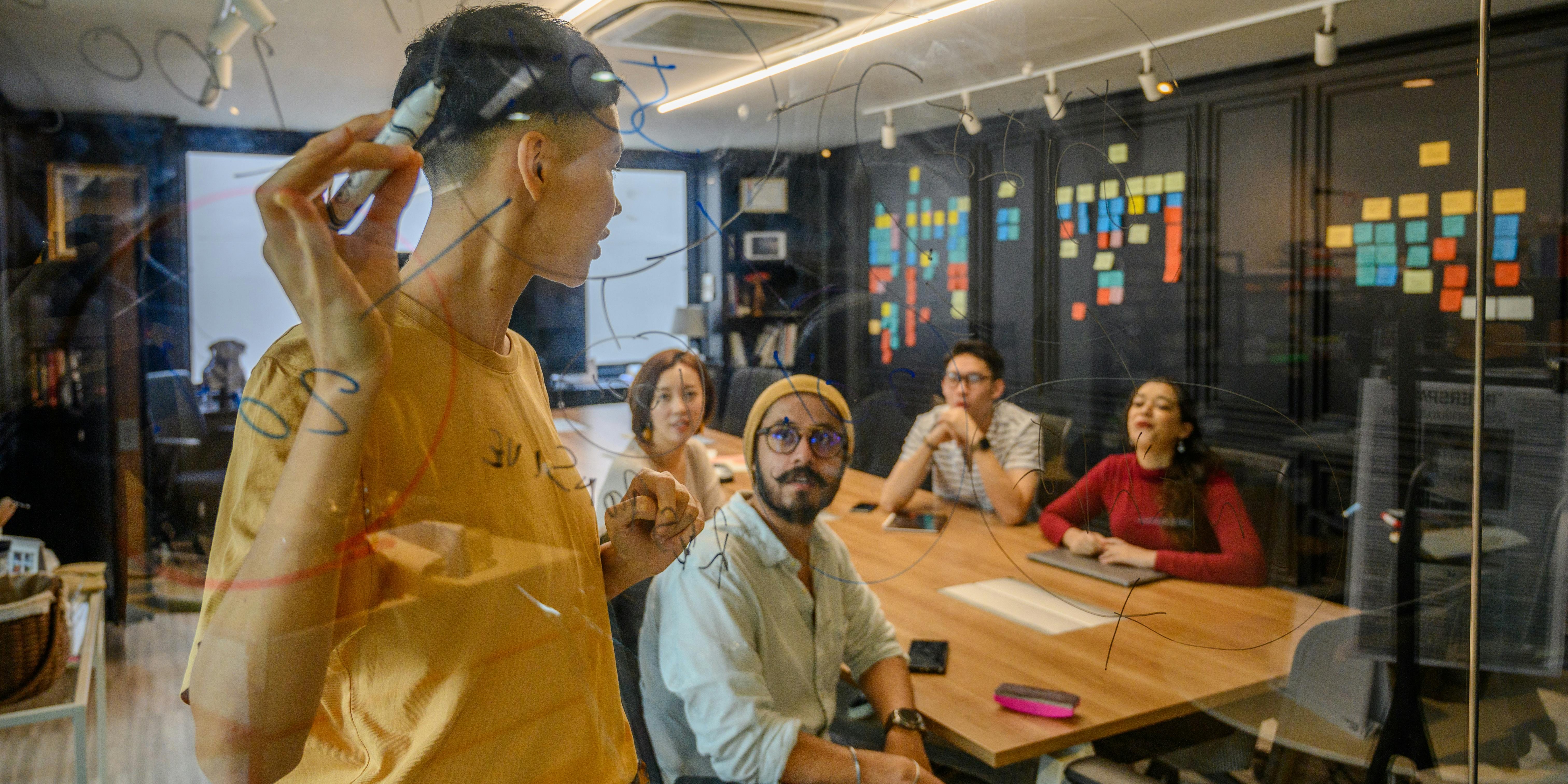
In the workshop, we work with your own projects — not with standard case studies. That changes the whole format. The time is not spent on theory first and examples later. We work on what is already there: current projects, actual problems, real planning questions, open decisions, and the next steps that matter.
That also shapes how the workshop is run. I work through discussion, practical exercises, and visual thinking on flipcharts or pinboards. Short theory inputs are included where they help, but they are not the center of the day. The work should stay close to the project itself and close to what people will have to deal with once they are back at work.
Depending on the situation, management is involved before the workshop to help clarify the goal and frame the work properly. And sometimes a team reaches a point during the workshop where a decision is needed that it cannot make on its own. In that case, someone from management needs to be available for a short time so the work can continue instead of getting stuck.
I also do not force the original plan through if it becomes clear during the workshop that the agreed topic is not the real issue. If the work points to a different problem, I adjust the focus together with the team and the relevant managers and continue from there. That is often more useful than finishing a perfectly planned session that solves the wrong problem.
The point is simple: people should leave with results they can use immediately. Better clarity, concrete next steps, decisions where needed, and work that carries forward into the project instead of ending when the workshop ends.
Get in touch
I am based in Utah and work with organizations in the U.S. and Europe. With more than three decades of project management experience, I bring practical expertise, industry understanding, and a clear focus on how projects actually move forward.
Contact